
Domain Coupon
No coupons found.
A Domain Coupon is the fastest, most practical way to reduce the upfront cost of launching a website, especially when you need both a domain and hosting. This guide explains what a domain is, why domain pricing varies so much, how to evaluate a Domain Coupon offer like a pro, and how to choose a registrar or hosting provider confidently when you see “verified” promotions.
Verified Domain Coupon deals you can use this month
A Domain Coupon page only helps when the offers are clear and the conditions are easy to understand. The deals below represent the common types you’ll see: discounted new registrations for popular extensions, entry-level bundle pricing for hosting with a free domain, and broad percentage discounts that apply across multiple domain extensions.
You’ll often find discounted pricing for common extensions such as .com, .in, .xyz, and .online through major providers like Hostinger, GoDaddy, HostGator, BigRock, and ResellerClub. Some offers target a single extension with a very low first-year price, while others focus on bundles where you pay for hosting and receive a domain at no extra cost for the first term. Some promotions advertise a high percentage off across many extensions, which can be useful if you’re shopping for multiple domains or less common TLDs.
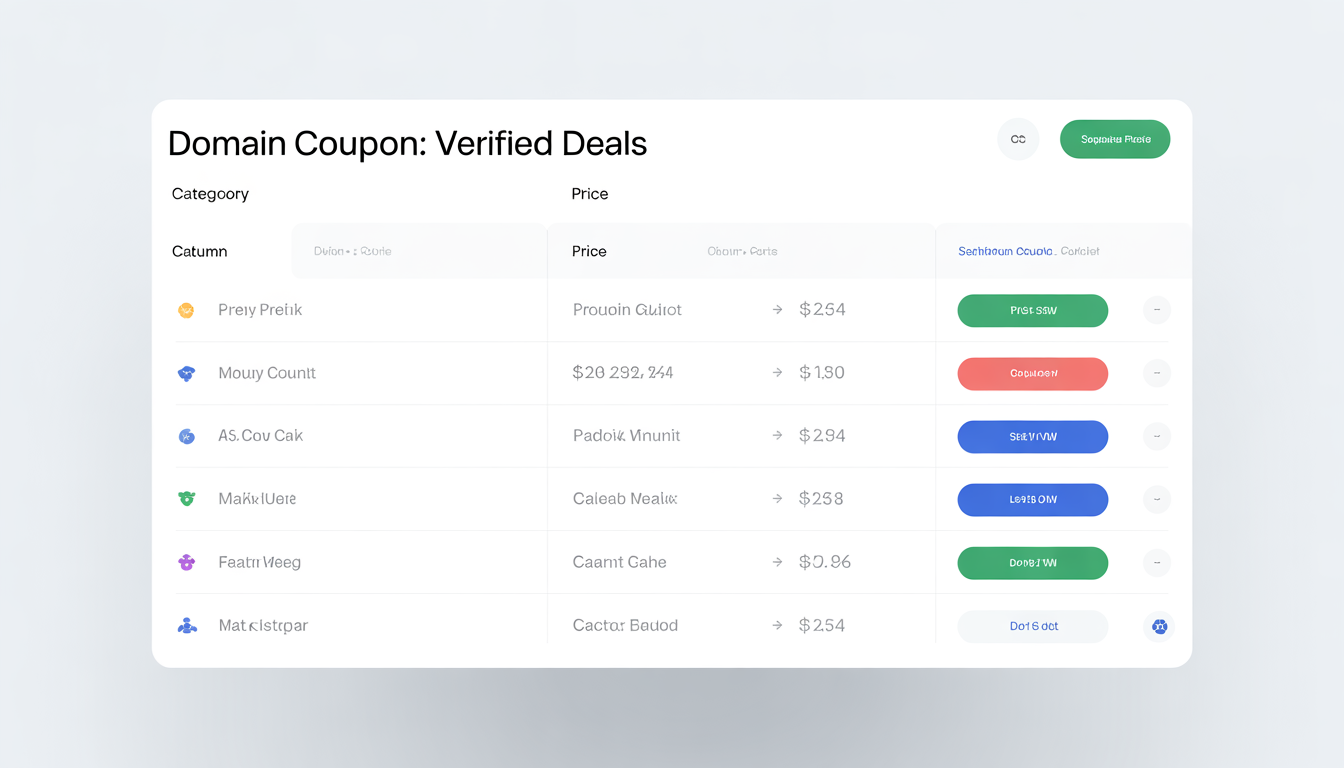
Image suggestion to insert here: A clean table-style screenshot mockup showing “Domain Coupon: verified deals” with columns for category, price, and provider.
Why domains still matter for every serious organization
It’s difficult to imagine a modern business, nonprofit, or public agency operating without a website. Even when social platforms drive discovery, a domain remains the anchor. It gives your organization a permanent address that you control, which matters for credibility, customer support, email deliverability, and search visibility. A Domain Coupon matters here because it reduces friction at the exact moment you’re ready to build, publish, and promote.
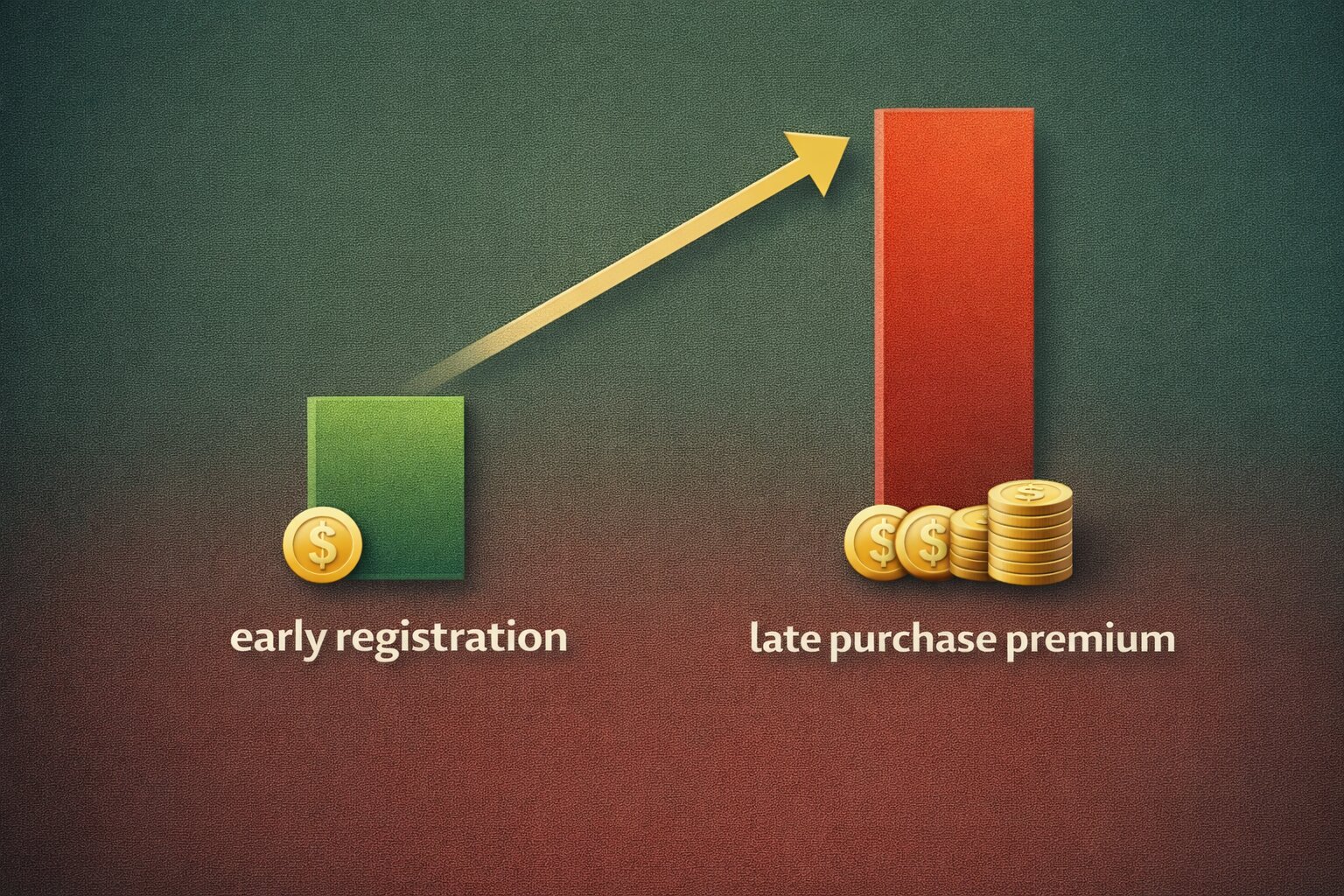
In real-world terms, a domain is one of the lowest-cost assets in digital operations. Many startups spend hundreds or thousands of dollars on branding and design while delaying the domain purchase, then discover their preferred name is taken or priced as a premium listing. Buying early and using a Domain Coupon to keep costs low is a simple way to avoid that pain and move faster.
What a website domain really is
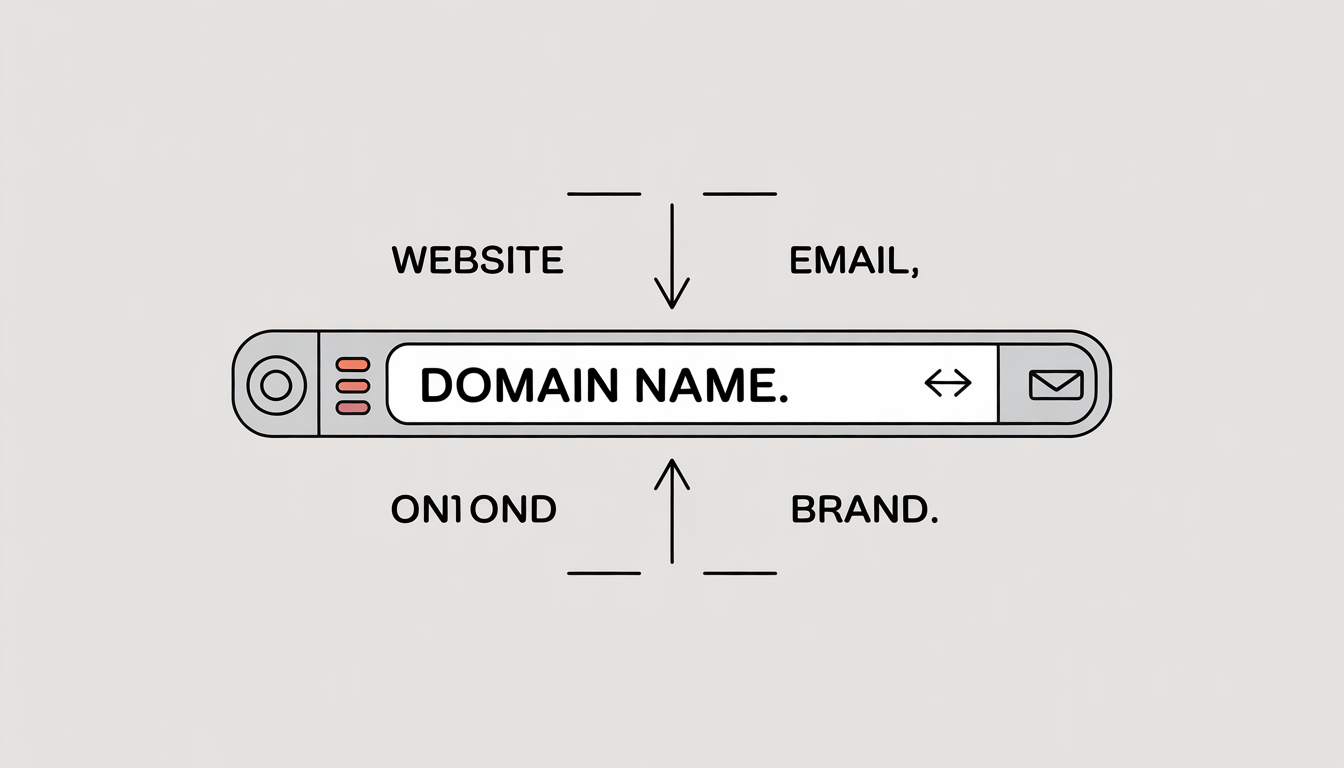
A website domain is the human-readable name people type to reach a site. It’s the identity layer that points visitors to the underlying server address. Computers communicate using IP addresses, but domains exist because people remember names better than long strings of numbers. When someone enters your domain in a browser, the domain name system resolves that name to the server that hosts your website.
This is why the domain you choose affects more than aesthetics. A domain impacts how easily customers recall you, how confident they feel clicking your link, and how professional your email addresses look. A Domain Coupon helps you take action sooner, but choosing the right domain name is the decision that has long-term impact.
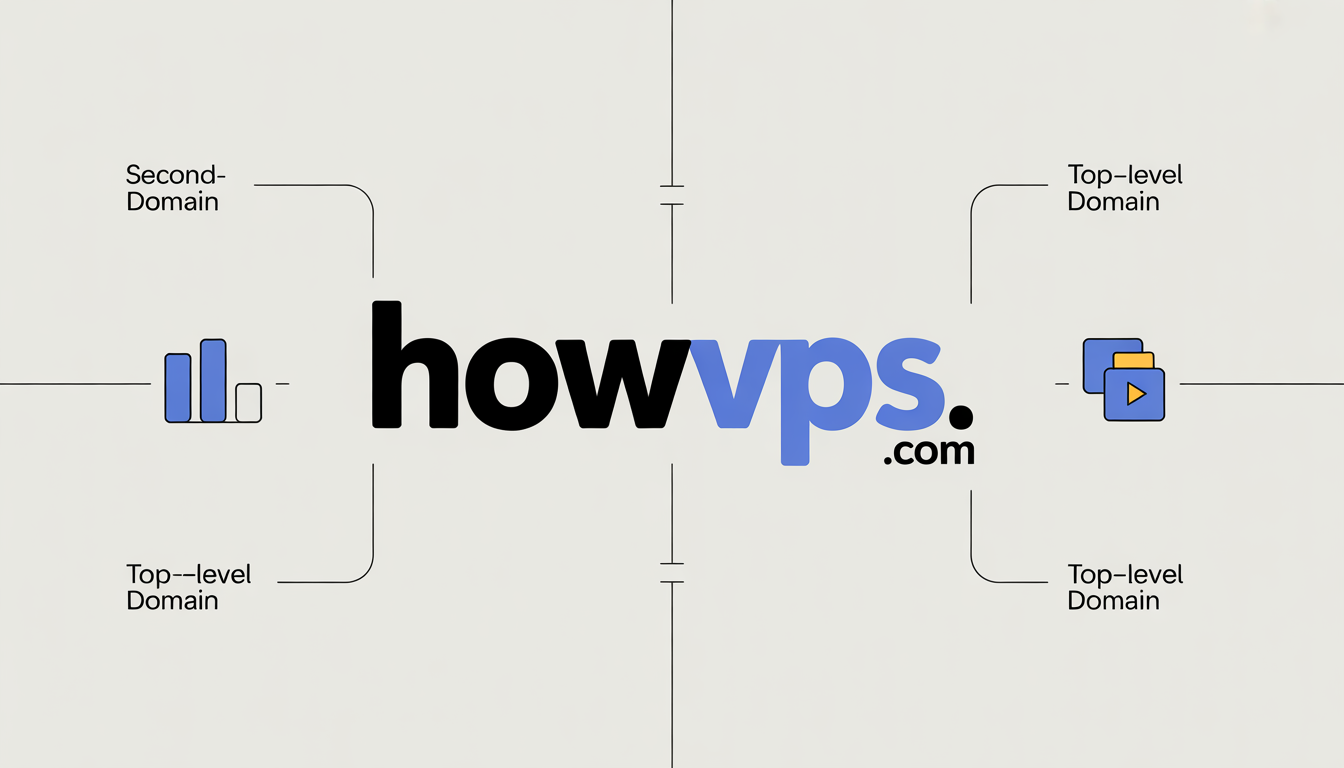
Domains follow naming rules to ensure they work across networks and devices. Most are limited to letters and numbers, and some allow hyphens. Many extensions are available, from broad commercial options to industry-specific choices. The ending of a domain is called the top-level domain, and it can suggest commercial intent, community purpose, or geographic relevance. Even when a top-level domain is tied to a country code, search engines can treat it as a valid extension for global discovery depending on usage and targeting signals.
What a Domain Coupon usually covers and what it rarely covers
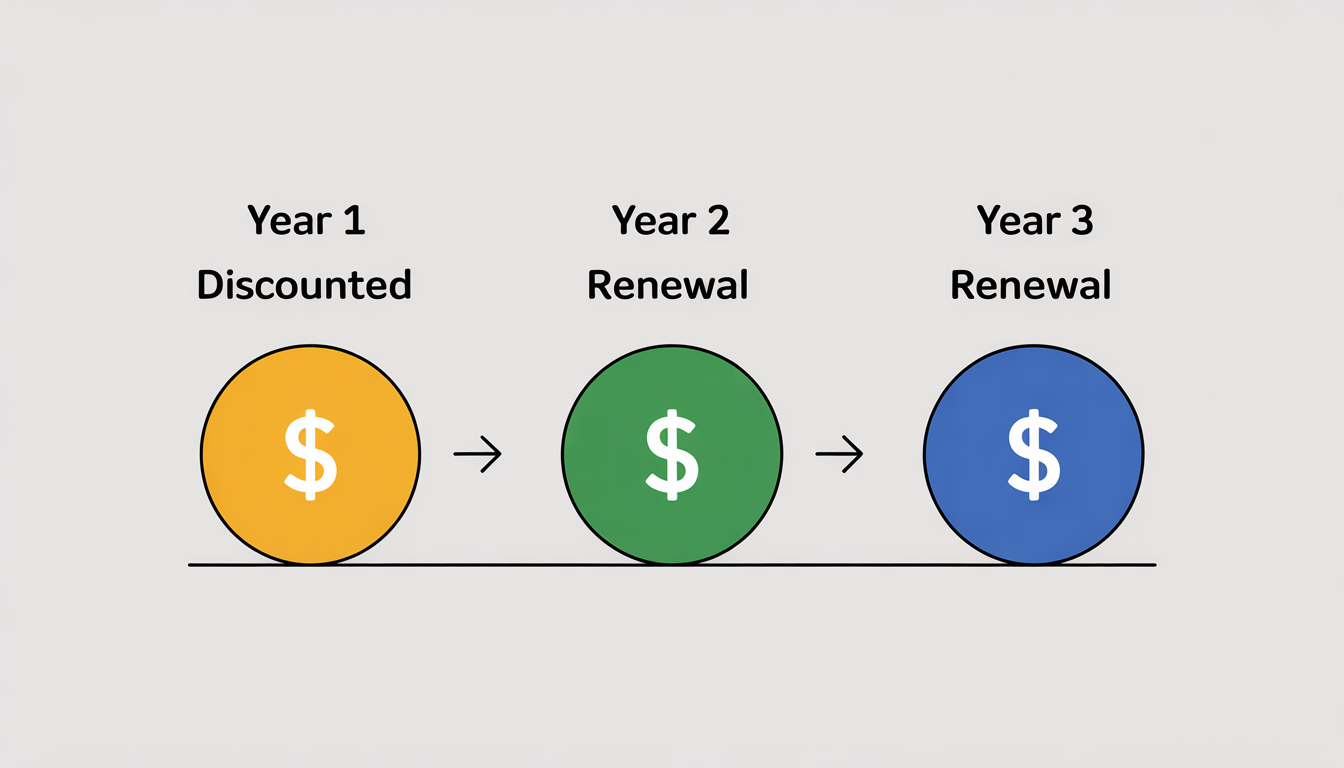
A Domain Coupon typically applies to the first term of a new domain registration. That means the discount is often a “first-year” price, not a permanent price. Some Domain Coupon offers apply only to specific extensions, and others apply only when you purchase additional services such as hosting or email.
It’s also common for Domain Coupon offers to exclude renewals, privacy add-ons, premium DNS features, and transfers. A deal can still be excellent, but you should judge it using the full cost over time, not only the checkout price today. The right mindset is to treat a Domain Coupon as a boost, then verify the long-term economics.
Here’s a practical example. If a first-year Domain Coupon saves you $8 but the renewal is $25 higher than competitors, the savings disappears quickly. On the other hand, if the provider offers stable renewals, clean management tools, and strong support, paying slightly more can still be the better business decision.
How to evaluate a Domain Coupon like an expert
A trustworthy Domain Coupon is easy to understand and doesn’t rely on hidden requirements. When evaluating any promotion, focus on the total value created, not just the headline price.
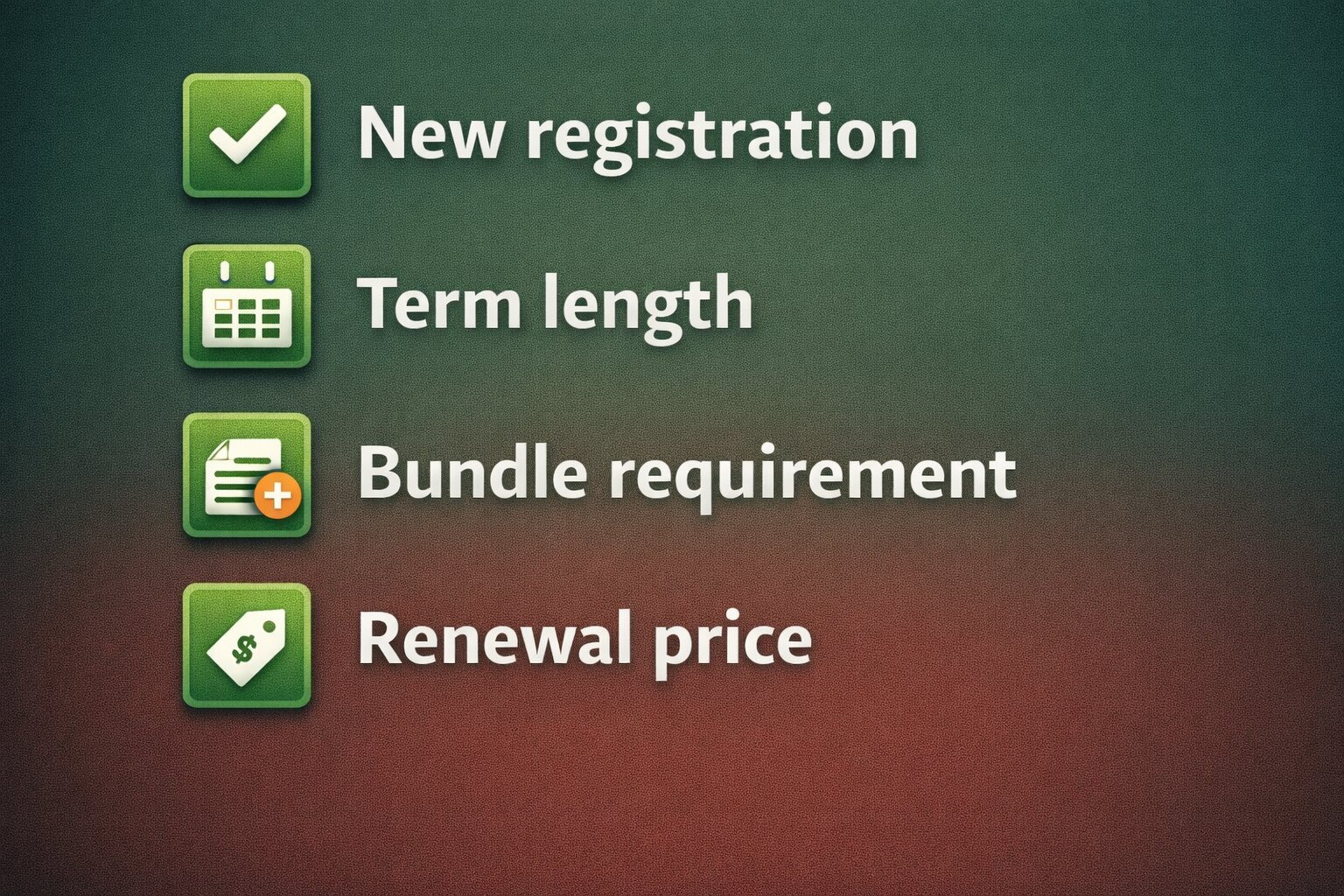
Start by confirming whether the offer is for new registrations only. Many promotions do not apply to renewals or transfers. Next, confirm the term length. Some low prices require a multi-year commitment, which can be fine, but you should know that before checkout. Then check whether the Domain Coupon requires purchasing hosting, a website builder, or other services. A bundle can be a great deal if you truly need those services, but it’s not a bargain if you’re buying extras you won’t use.
Finally, check renewal pricing and add-on fees. The most common fee surprises are WHOIS privacy, email hosting, and premium DNS. Even when these are reasonably priced, the point is to compare apples to apples. The best Domain Coupon is the one that creates the lowest total cost for your specific plan while keeping management simple.
Choosing the best domain name with coupon-driven constraints
A Domain Coupon can influence your selection because discounts vary by extension. That’s okay, as long as the domain still supports your brand.
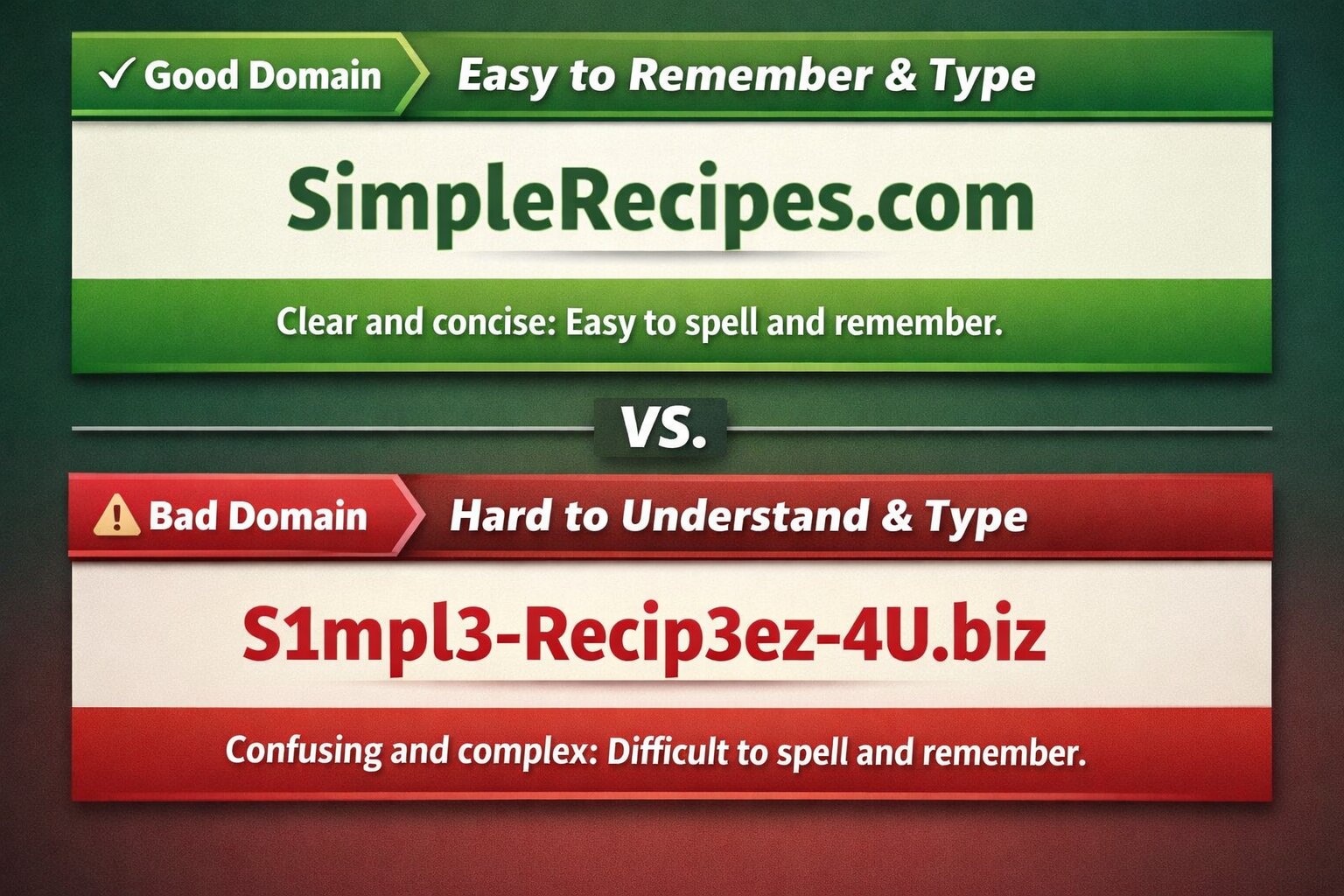
Short, memorable names tend to win. They reduce typing errors, look cleaner on marketing materials, and are easier to say out loud. If you can get a strong .com that matches your brand, that’s often the simplest path because it’s universally recognized. If you can’t, alternative extensions can still work when the name is clean and the intent is clear.
Avoid stuffing a domain with numbers or awkward hyphens. Sometimes a hyphenated domain is acceptable, but it increases the chance of confusion and mis-typing. When you’re using a Domain Coupon to move quickly, it’s tempting to register multiple variants. That can be smart for brand protection, but it’s best done intentionally, focusing on the variants customers are most likely to guess.
A useful real-world approach is to register your primary domain and one close variant, then redirect the variant to the primary. That gives protection without creating a management burden.
Bundles: hosting with a free domain can be a better Domain Coupon
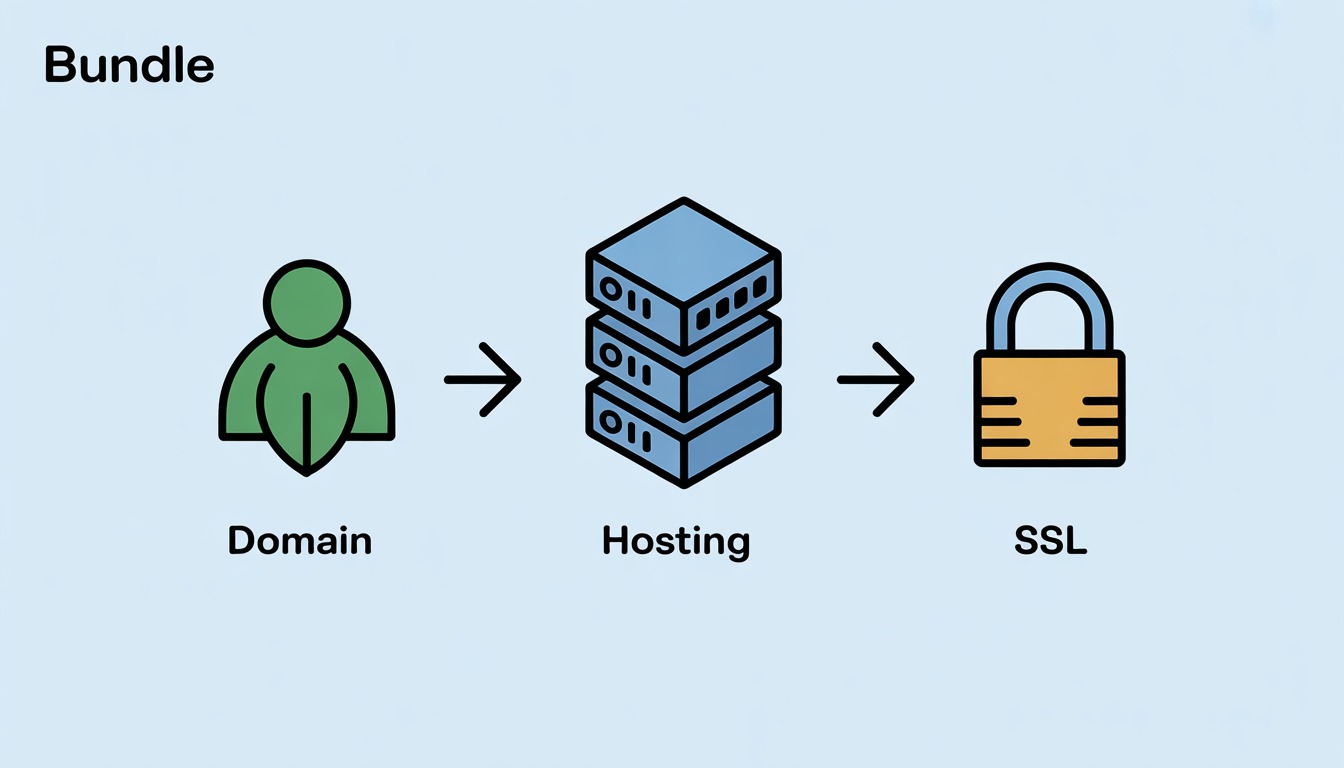
Many providers use “hosting plus free domain” as the strongest Domain Coupon strategy, because the provider earns revenue on hosting while reducing your initial domain cost. These bundles can be excellent if you’re launching a new site and you need hosting anyway.
If you see entry-level hosting priced very low with a free domain included, verify what “free” means. In many cases, the free domain applies for the first year, and you keep it as long as you renew at standard rates later. Also verify whether the hosting plan includes SSL, backups, malware scanning, and support. Some entry-level plans are intentionally minimal. That’s not a problem if you’re just starting, but you should know what you’re buying.
A practical example is a small business website that needs a homepage, services page, contact form, and basic email. A bundle can reduce setup cost dramatically compared to buying each item separately. If your goal is speed-to-launch, a bundle-based Domain Coupon is often the most efficient route.
Where “verified” matters and how to keep it trustworthy
“Verified” should mean the Domain Coupon was checked for basic accuracy, not just copied from marketing text. In practice, verification can include confirming the offer category, confirming the provider, confirming the discount framing, and confirming that the promotion is currently active.
Even so, the final verification happens at checkout. Prices and terms can change, and some offers are limited by region, payment method, or inventory of specific names. The best habit is to treat the Domain Coupon page as the starting point, then confirm details on the provider site before committing.
If you run a Domain Coupon category page yourself, verification can be strengthened by adding a “last checked” date and by removing expired promotions quickly. Trust is a ranking signal in real user behavior: when visitors repeatedly find the deal they expected, they come back, and they share it.
Practical statistics and examples that reflect real buyer behavior
Domain buying behavior tends to follow a few predictable patterns. Many new site owners purchase a domain for one year, then renew annually. Businesses that rely on inbound marketing often register for multiple years to reduce administrative overhead and avoid accidental expiration. That’s why a Domain Coupon can be valuable even when the dollar amount seems small: it reduces friction and encourages earlier action.
A real-world operational risk is domain expiration. If a business forgets to renew, the site can go down and email can stop working. The costs can be far higher than the renewal fee. A smart practice is enabling auto-renewal, using registrar lock features, and ensuring your account email is stable and monitored. Those practices matter more than squeezing out the last dollar of savings, but a Domain Coupon can still be part of a disciplined buying plan.
For a practical numeric example, imagine a new brand registers one primary domain and one defensive variant. If the Domain Coupon reduces the first-year cost by $10 per domain, that’s $20 saved immediately. If that motivates the brand to register both early rather than waiting, it can prevent premium resale pricing later, which can run hundreds or thousands of dollars for desirable names. The exact numbers vary, but the logic is consistent: early action often beats last-minute buying.
FAQs about Domain Coupon decisions and domain selection
Which domain name is best for most websites
The best domain name is short, memorable, and easy to type. It should be aligned with your brand, readable in lowercase, and clear when spoken out loud. If a Domain Coupon pushes you toward an extension you wouldn’t otherwise choose, make sure the name still feels trustworthy and doesn’t look like a typo of another brand.
Image suggestion to insert here: A branding mockup of a business card and website header using a short domain name.
Alt text: Branding mockup showing a clean domain name on marketing materials.
What top-level domains mean in plain terms
A top-level domain is the ending of your web address. Some are general-purpose, some reflect categories, and some reflect countries or regions. From a user perspective, the top-level domain influences first impressions. From a technical perspective, it doesn’t limit what your website can do. A Domain Coupon might be available for a particular extension, but you should still choose an ending that matches your audience and brand tone.
Image suggestion to insert here: A graphic showing several domain endings side-by-side with brief descriptors like “commercial,” “organization,” and “country code.”
Alt text: Visual showing different domain extensions and what they commonly signal.
Is one extension better than another for SEO
Search performance depends far more on content quality, site speed, technical health, and relevance than on the extension alone. That said, user trust affects clicks, and users often trust familiar endings more quickly. If your audience expects a certain extension, choosing it can improve click-through and recall. A Domain Coupon is helpful, but it shouldn’t override brand clarity.
Image suggestion to insert here: A simple funnel diagram showing trust leading to clicks leading to conversions.
Alt text: Diagram showing how user trust affects clicks and conversions.
Is it smart to buy multiple domains when you have a Domain Coupon
Buying multiple domains can be smart when it protects your brand and prevents confusion. The key is restraint. One primary domain plus one or two close variants is usually enough for a small business. You can redirect the variants to the primary to keep your brand consistent. A Domain Coupon can reduce the cost of those defensive registrations, which makes this strategy more affordable.
Image suggestion to insert here: A redirect flow illustration showing variant domains pointing to one primary domain.
Alt text: Diagram showing multiple domains redirecting to a main domain.
Final guidance: how to use a Domain Coupon without regrets
A Domain Coupon is most valuable when it helps you register the right name early, choose a provider you can manage easily, and launch with confidence. Look beyond the headline discount and confirm eligibility, term requirements, and renewal pricing. If you’re building a new site, consider bundles that include hosting and a domain, but only if the hosting features match your needs. Keep your domain secure with auto-renewal and account protection, because the true cost of losing a domain is far higher than the yearly fee.
When you use Domain Coupon offers with this mindset, you get real savings without trading away long-term flexibility. You also avoid the most common mistakes: buying a confusing name, choosing a provider with painful renewals, or losing track of renewal dates. The best outcome is simple: a domain that matches your brand, a clean setup, and a launch that happens sooner because the purchase decision was easier.
Image suggestion to insert here: A “launch checklist” style hero image showing a domain purchased, hosting activated, SSL enabled, website live.
Alt text: Illustration showing the steps from buying a domain to launching a live website.