
This article will show you how I successfully installed Imagick on Centos. And we have many ways to install. And I will show you 2 ways to install Imagick, you can choose either way.
How to Install Imagemagick on CentOS
I. Installation of ImageMagick via Repository
1. Install required packages
Start off by installing the prerequisites
yum install gcc php-devel php-pear
php-pear: PHP pear extension
gcc: the GCC extension
php-devel: the PHP-devel extension
2. List all installed and available packages
Issue the following to verify whether you have Imagemagick available via the current repositories
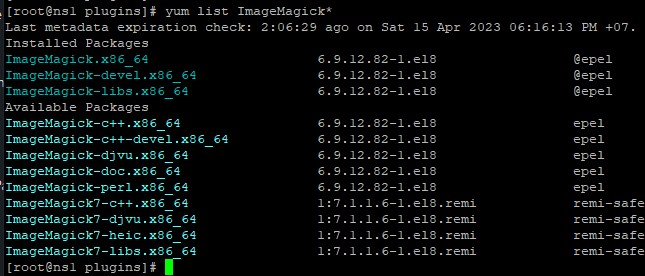
yum list ImageMagick*
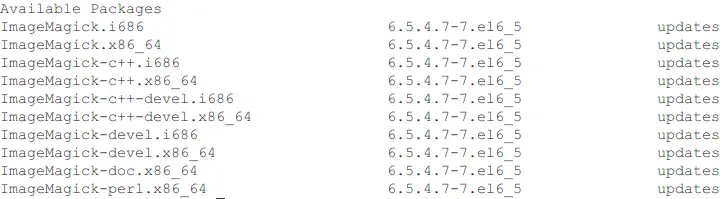
You should see something similar to the result below:
3. Install ImageMagick
Issue the following to install ImageMagick:
yum install ImageMagick ImageMagick-devel
Now install the imagick library for PHP:
pecl install imagick
Load the imagick extension into PHP:
echo extension=imagick.so > /etc/php.d/imagick.ini
Restart Apache
service httpd restart
To verify that imagick has been successfully installed, do any of the following
php -m | grep imagick
Or check your PHPINFO.
II. Installation of ImageMagick from Source
Prerequisites
sudo yum groupinstall "Development Tools" -y
sudo yum install bzip2-devel libtiff-devel giflib-devel ghostscript-devel libwmf-devel jasper-devel libXext-devel libXt-devel librsvg2-devel OpenEXR-devel libwebp-devel lcms2-devel -y
1. Download the Source Code:
Navigate to the ImageMagick download page on the official ImageMagick website to find the link for the latest stable release (usually a .tar.gz file). Download it to your server, typically in the /usr/local/src directory: